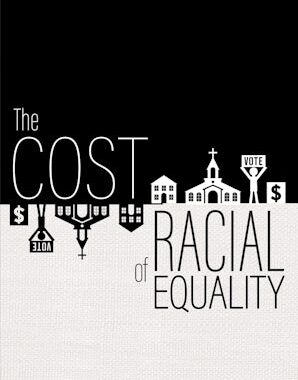
“Martin Luther King, Jr, and the Cost of the Law” by Major G. Coleman

“Martin Luther King, Jr, and the Cost of the Law“Major G. Coleman The following is an adapted excerpt from Major G. Coleman’s book, The Cost of Racial Equality (Cascade Books, 2025). Used by permission of Wipf and Stock Publishers, www.wipfandstock.com Martin Luther King Jr. was not speaking metaphorically when he said, “The practical cost of change for

“Sisters and State Building: The Sisters of the Good Shepherd and Carceral Infrastructure in 19th Century Colorado” by Hennessey Star

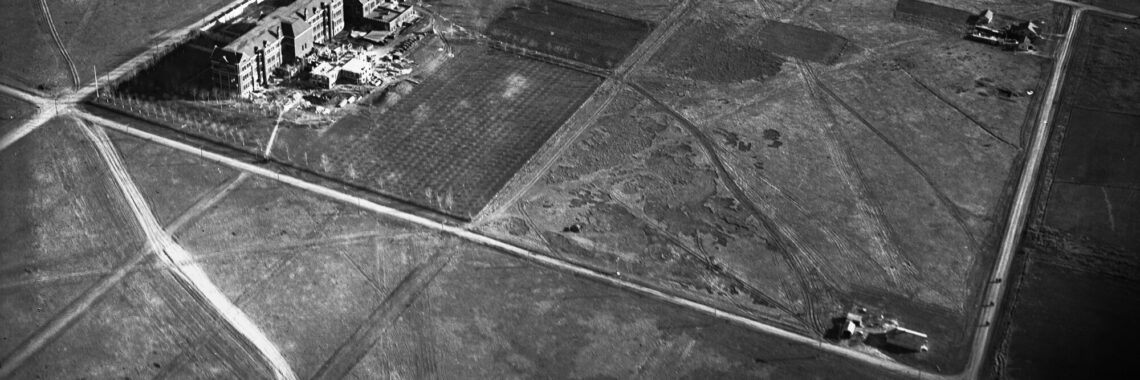
Aerial view of the House of the Good Shepherd via Denver Public Library (Public Domain). When the Indiana Women’s Prison History Project endeavored to study the “oldest” women’s prison in the United States they pointed not only to the Indiana Reformatory Institute for Women and Girls—the oldest state penitentiary built exclusively for women—but the Home of the

“Beyond Recognition: Integrating Religious Justice into Indonesia’s ADR Framework” by Jo Chitlik

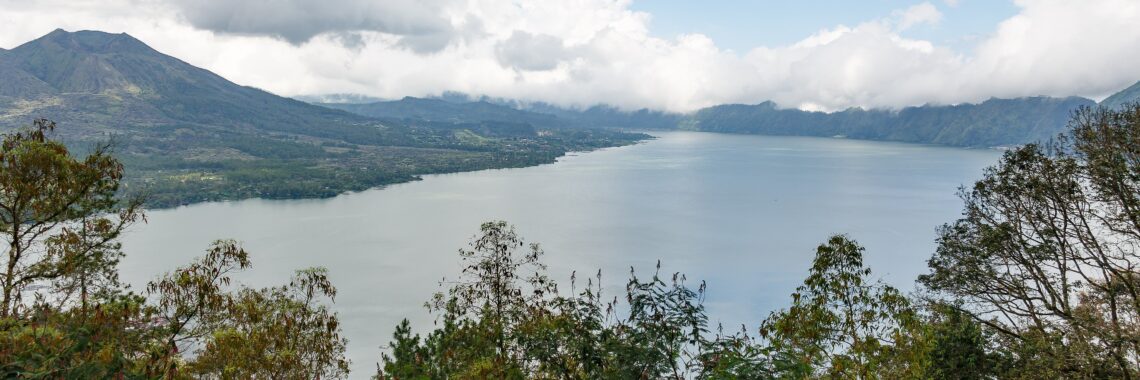
Bangly Regency, Bali, Indonesia by CEphoto, Uwe Aranas (CC BY-SA 3.0). Indonesia’s constitutional order reflects one of the most ambitious contemporary efforts to govern religious diversity through law. As an archipelagic state encompassing over 17,000 islands and hundreds of ethnoreligious communities, Indonesia has long confronted the institutional challenge of recognizing religious authority within a plural legal

“Evaluating the Mediation System in Pakistan” by Muhammad Bakhsh Meskanzai

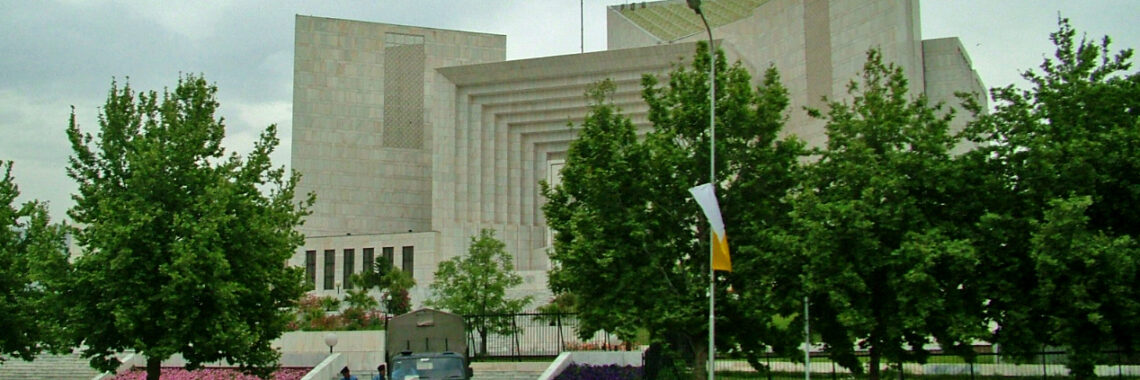
Supreme Court of Pakistan by Guilhem Vellut (CC BY 2.0). The pursuit of justice is often described as a journey toward truth, yet in the context of Pakistan’s legal landscape, that journey is frequently stalled by the heavy burdens of delay, exorbitant costs, and procedural complexity. As the backlog of cases in the superior and

“Saint Death v. Church and State: The Political Economy of Santa Muerte in Mexico” by R. Andrew Chesnut

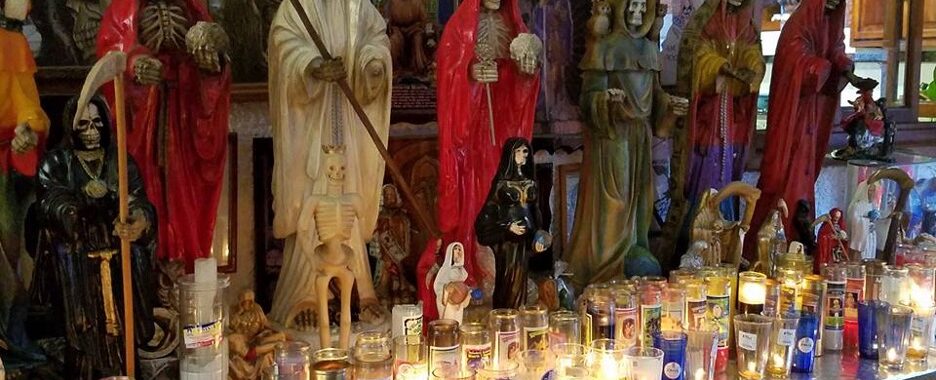
Photo of Santa Muerte iconography. Photo taken by author. In March 2009, Mexican soldiers razed more than forty public shrines to Santa Muerte in Nuevo Laredo and Tijuana, pulverizing cement and plaster images of La Huesuda under the treads of military bulldozers. The spectacular demolitions—repeated in subsequent years, including in Coahuila under President Enrique Peña