“Puccini’s Suor Angelica and the Question of Suicide Between Catholic Theology and the Law” by Davide Dimodugno

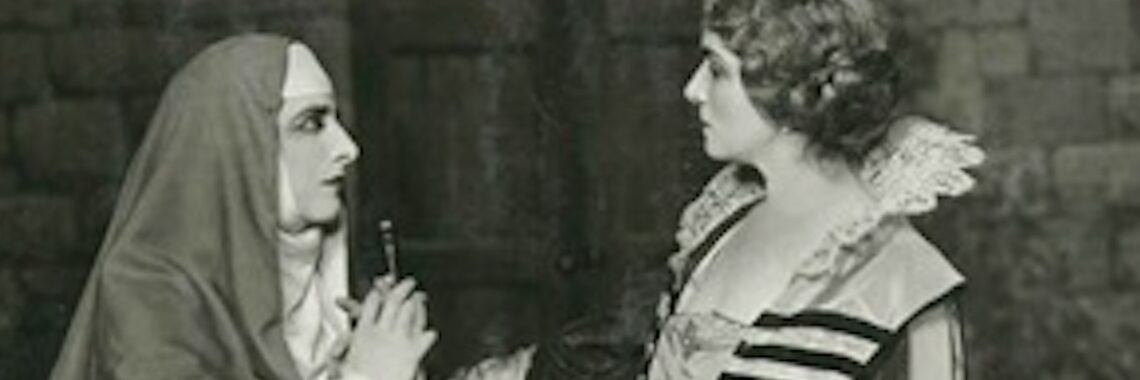
The world premiere of Puccini’s “Suor Angelica”, Metropolitan Opera, New York City, 1918 by White Photo Studio. This paper summarizes and translates into English the chapter Suor Angelica: il suicidio tra teologia e diritto, from the book Puccini in Law: Raccolta di studi in occasione dell’anno pucciniano, edited by Domenico Di Micco, Mario Riberi, and

“The War on Drugs and Violence Against Catholic Priests in Mexico” by Yves Bernardo Roger Solís Nicot, Debora Roberta Sánchez Guajardo & Maria Fernanda Alcala Durand

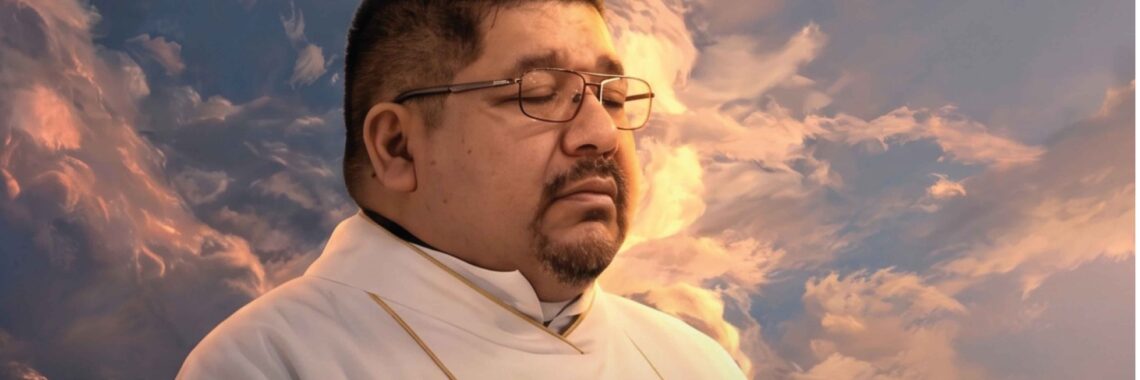
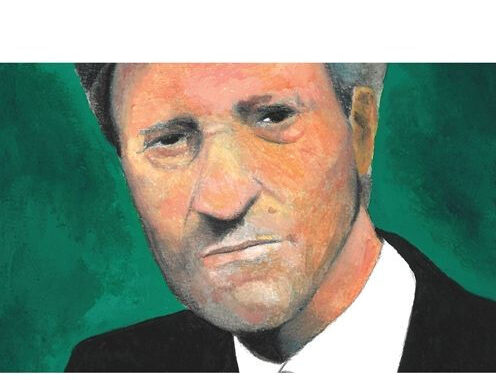
Image of Padre Filiberto Velázquez Florencio created by Leonardo Hernández Arrendondo for Dr. Solís’ project. The following essay is reprinted and adapted on Canopy Forum in collaboration with the journal Derecho en Sociedad, a biannual electronic publication that is free and open access. Their issue 20(1) features full length articles in Spanish and English. Read Yves Bernardo Roger Solís Nicot, Maria

“Saint Death v. Church and State: The Political Economy of Santa Muerte in Mexico” by R. Andrew Chesnut

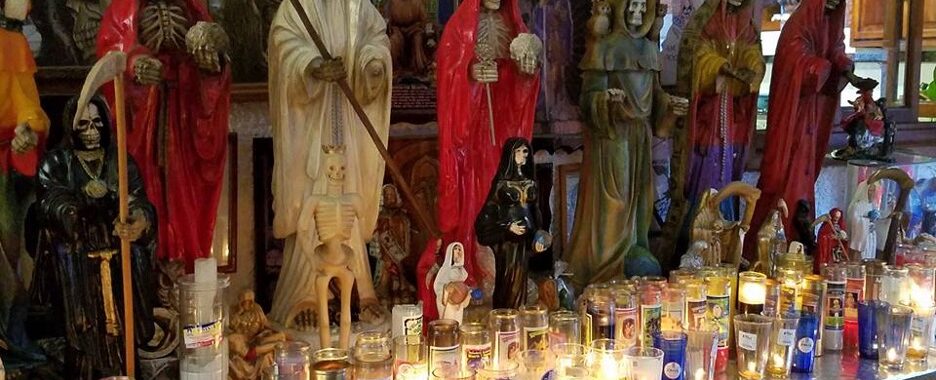
Photo of Santa Muerte iconography. Photo taken by author. In March 2009, Mexican soldiers razed more than forty public shrines to Santa Muerte in Nuevo Laredo and Tijuana, pulverizing cement and plaster images of La Huesuda under the treads of military bulldozers. The spectacular demolitions—repeated in subsequent years, including in Coahuila under President Enrique Peña

“The Making of National Ecclesiastical Law in the Eighteenth-Century Kingdom of Naples” by Matteo Carmine Fiocca

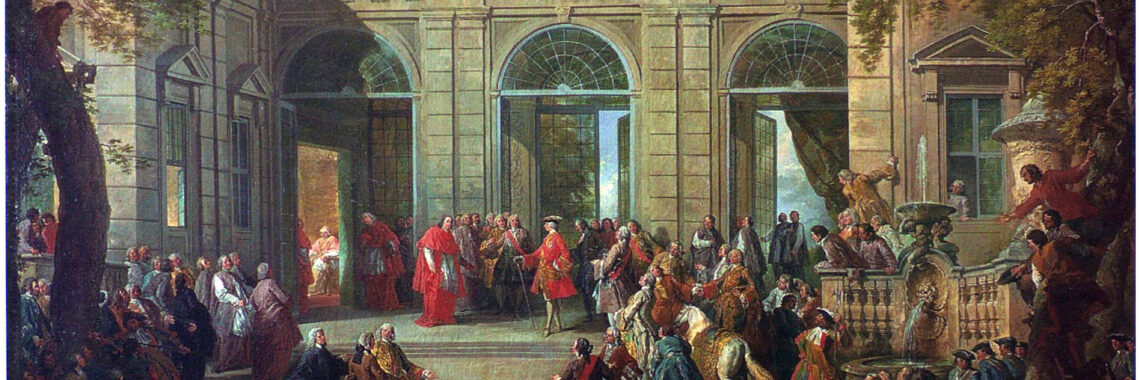
Carlo III di Borbone visiting the Pope Benedetto XIV in the coffee-house of the Quirinale, Rome (US-PD). As the eighteenth century unfolded, theories aimed at limiting the Roman Catholic Church’s authority, shaped over the previous centuries and influenced by humanist and natural law thinking, started to really take hold in the religious policies of some

“U.S. Refugee and Immigration Policies: the Wages of Cruelty and Indifference” by Donald Kerwin

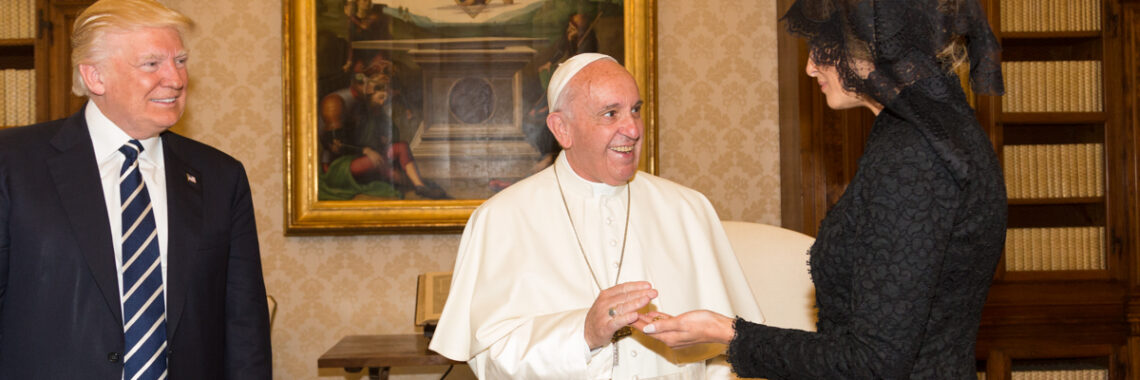
 The President and First Lady Meet with His Holiness Pope Francis at the Vatican by Shealah Craighead (CC BY 3.0 US) This article is part of our series on Law, Religion, and Immigration. If you’d like to explore other articles in this series, click here. This paper examines U.S. humanitarian, refugee, and immigration policies in light of

“Weak Thought and the Law” by Jared Farmer

Weak Thought and the LawThomas Jared Farmer The following is an excerpt from Thomas Jared Farmer’s upcoming book, Gianni Vattimo: Philosopher, Communist, Catholic, Nihilist. Farmer’s book is now available for pre-order. Excerpted with permission: Copyright (c) 2025 Columbia University Press. Used by arrangement with the Publisher. All rights reserved. Page numbers refer to publications linked in the text.

“Catholic Social Teaching and Agnosticism about Democracy in the US Church” by Massimo Faggioli

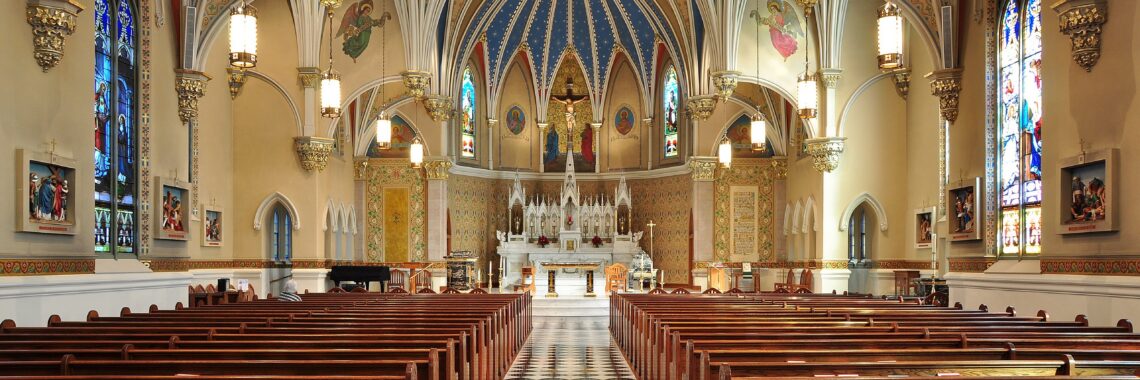
St. Andrew’s Catholic Church in Roanoke, Virginia by Joe Ravi (CC-BY-SA 3.0). With the election of Leo XIV, who chose his name in an acknowledgment of Leo XIII,  the pope of Rerum Novarum, Catholic Social Teaching (CST) might be back in an even stronger way. Hence, there were great expectations for the apostolic exhortation, Dilexi

“Washington State and the Priest-Penitent Privilege Redux: The Federal Trial Court Injunction” by Charles J. Russo

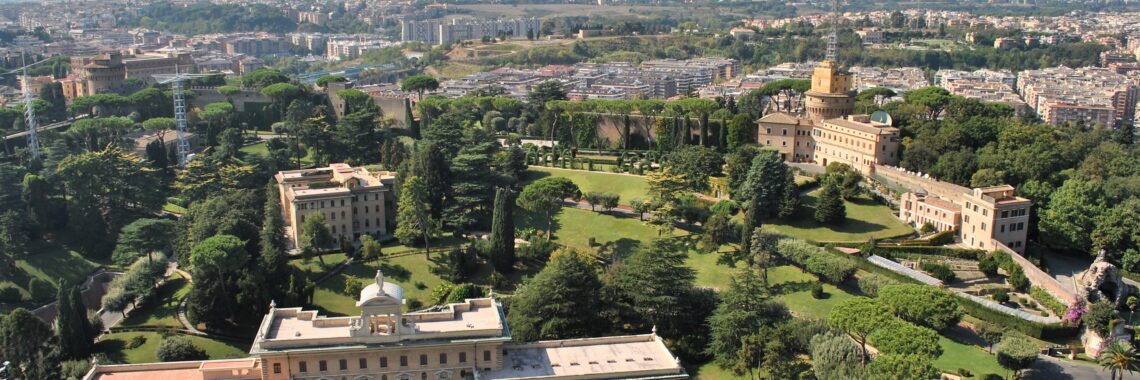
View of the Vatican City Gardens by Patrik Kunec (CC BY-SA 4.0). My earlier column reviewed Washington’s recently passed Senate Bill 5375 that would have required Roman Catholic priests to violate their sacred duty to maintain the seal of confession by reporting those who committed the heinous act of child abuse to state authorities. Based

“Catholic Fraternal Pluralism and Respect for Conscience” by Matthew P. Cavedon

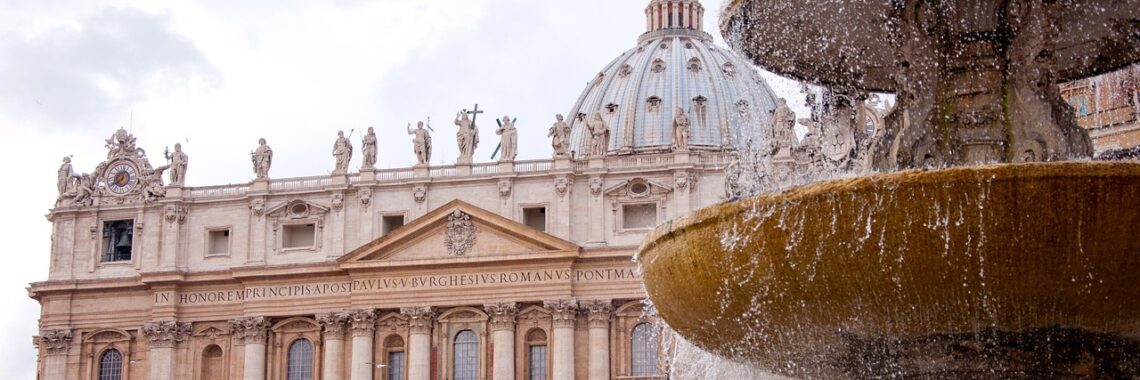
Basilica of Saint Peter by Carlo Armanni from Pixabay. Pope Francis envisions human fraternity in his 2020 encyclical Fratelli Tutti. This essay explores how “fraternal pluralism” guides the Church’s respect for personal conscience. This teaching reflects aspects of earlier Church history and the Vatican II document Dignitatis Humanae, and it can be illustrated by examining

“Secularity, Dignity, and Human Rights: A Review of Human Rights in a Divided World by David Hollenbach, S.J.” by David Little

View from the Arc de Triomphe in France by Pierre Blaché (CC0 1.0.) In a definitive study of the origins, drafting, and intent of the Universal Declaration of Human Rights, Johannes Morsink calls attention to a deep, widespread division of opinion within religious communities toward human rights (285). He points out that representatives of most