“Thou Shalt Not Kill – Abraham Kuyper and the AI Revolution” by Anders Liman

New York, New York by Mario Hains (CC-BY-SA-3.0). In November 2022, OpenAI released ChatGPT to the public, and within five days, the chatbot had acquired one million users. By January 2023, it had become the fastest-growing consumer application in history, with over 100 million monthly active users. The artificial intelligence could write essays, debug code,

“National Religious Broadcasters v. Werfel: The Court Should Uphold the Johnson Amendment to Protect Voters’ Right to Know Who Is Spending to Influence Them” by Kevin Hancock

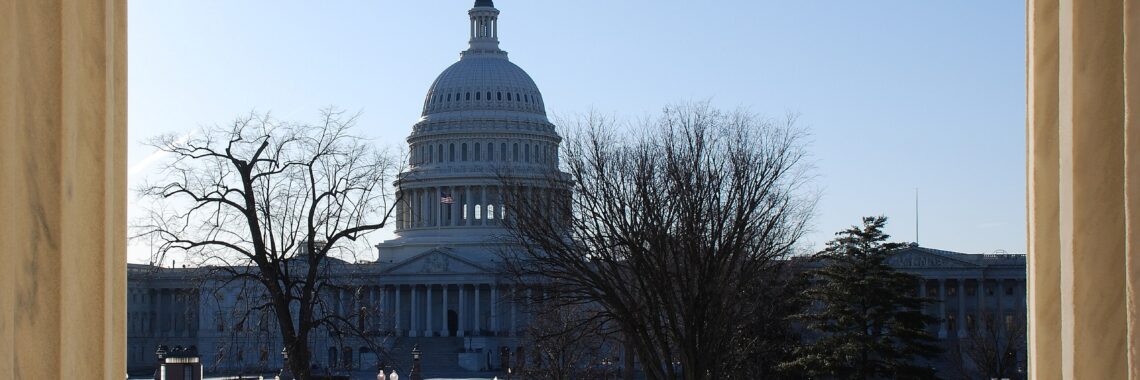
United States Capitol in Washington D.C., by Jarek Tuszyński (CC-BY-SA-3.0 & GDFL). This article is part of our series on Law, Religion, and The Johnson Amendment. If you’d like to explore other articles in this series, click here. Few provisions are more vital to preserving both the integrity of religious organizations and democratic transparency than the Johnson

“Defending the Johnson Amendment as a Critical Tool to Preserve Democracy and Religious Freedom” by Rebecca S. Markert

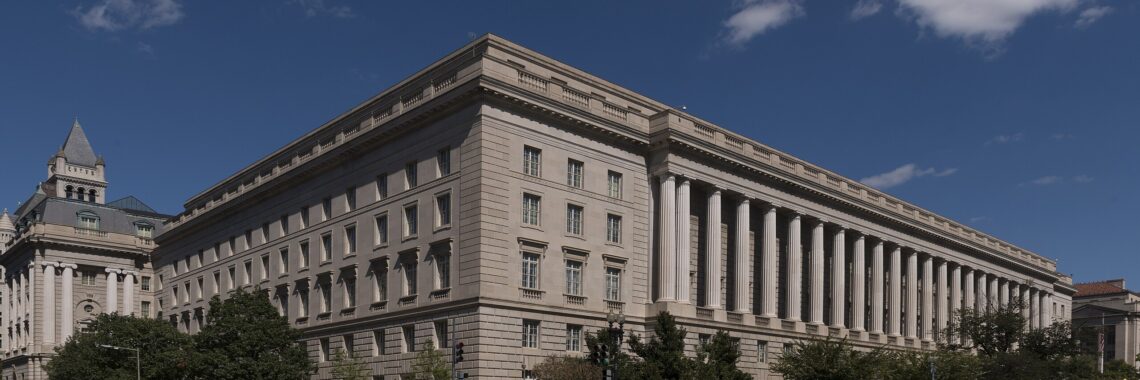
Internal Revenue Service Building in Maryland from the Carol M. Highsmith Archive. This article is part of our series on Law, Religion, and The Johnson Amendment. If you’d like to explore other articles in this series, click here. On a Sunday morning in late October 2008, in Charlotte, North Carolina, Pastor Greg Moss of St. Paul Missionary Baptist

“From Doctrine to Proclamation: How Faith Still Frames U.S. Indian Policy” by Kerri J. Malloy

The Reservation Tribal Office at Lake Superior via the National Park Service. From the earliest Supreme Court rulings to the annual presidential proclamations that mark National Native American Heritage Month, the United States has treated Native sovereignty as both a legal and moral question, one rooted as much in theology as in jurisprudence. The very

“Religion, Politics, the Constitution, and Cost-Sharing Accounting: A Johnson Amendment Primer” by Benjamin Leff

Internal Revenue Service Building in Washington, D.C. Photo from the Carol M. Highsmith Archive. This article is part of our series on Law, Religion, and The Johnson Amendment. If you’d like to explore other articles in this series, click here. Some time around twenty years ago, when I was a lawyer instead of a law professor, I