“A Free Exercise Surprise” by Donald Drakeman

A Free Exercise SurpriseDonald Drakeman The following is an introductory essay to Donald Drakeman’s upcoming book, The Free Exercise Clause and the Rights of Conscience (Harvard University Press, 2026). Drakeman’s work will be available for purchase November 2026. I hadn’t expected to write a book about the Free Exercise Clause. My work on the religion

“The War on Drugs and Violence Against Catholic Priests in Mexico” by Yves Bernardo Roger Solís Nicot, Debora Roberta Sánchez Guajardo & Maria Fernanda Alcala Durand

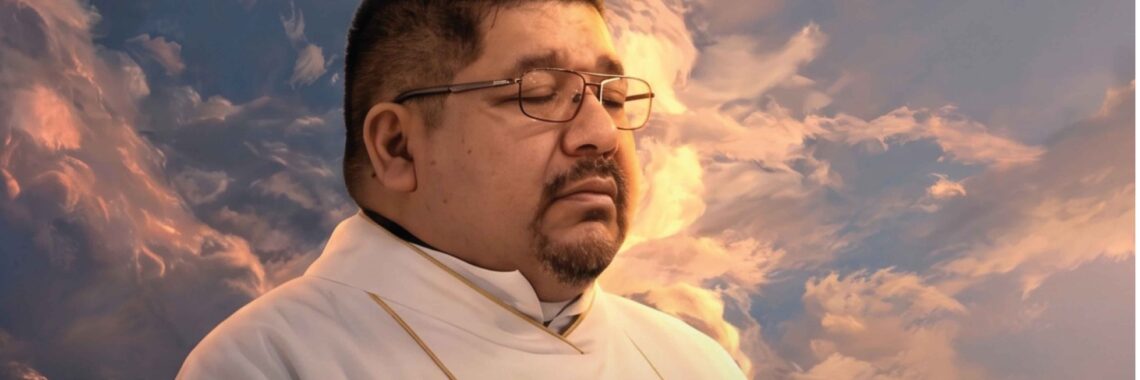
Image of Padre Filiberto Velázquez Florencio created by Leonardo Hernández Arrendondo for Dr. Solís’ project. The following essay is reprinted and adapted on Canopy Forum in collaboration with the journal Derecho en Sociedad, a biannual electronic publication that is free and open access. Their issue 20(1) features full length articles in Spanish and English. Read Yves Bernardo Roger Solís Nicot, Maria

“State of Religious Freedom in Nicaragua: An Analysis of the Violent Incidents Database” by Teresa Flores

Colonial-era Church in the Granada, Nicaragua by Monge Najera (CC BY-SA3.0) Freedom of religion or belief is formally recognized in Nicaragua’s legal framework. The former Constitution of Nicaragua established that the State had no official religion and guaranteed the right to profess or not profess a religion. However, constitutional reforms adopted since 2019 and further

“Iran Learns Locke the Hard Way: Integralism, Postliberalism, and Religious Compulsion” By Matthew P. Cavedon

Otes Manor House where John Locke spent the last fourteen years of his life via Wellcome Library, London (CC BY 4.0). John Locke insisted that toleration and a secular approach to politics would be good for religion. He argued that coerced belief results in hypocrisy and resentment, as well as belief that hinges on political

“The Legal Foundations of Religious Freedom: Human Rights in the United States and Europe” by John Witte Jr. and Andrea Pin

The Legal Foundations of Religious Freedom: Human Rights in the United States and EuropeJohn Witte Jr. and Andrea Pin Material excerpted from The Legal Foundations of Religious Freedom: Human Rights in the United States and Europe by John Witte Jr. and Andrea Pin © 2025 by the University of Notre Dame. Excerpted with permission from

“Freedom of Religion and Belief in Afghanistan” by John T. Pinna and Emily Hilliard

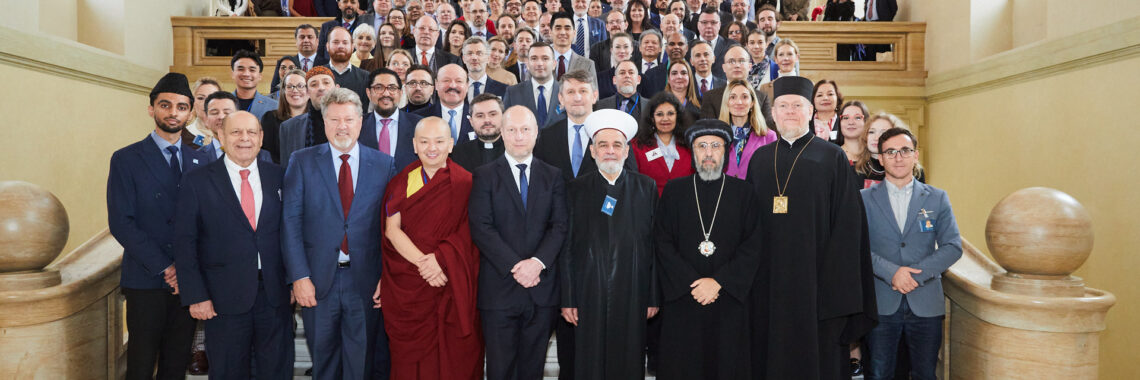
Intercultural Conference. Photo by provided by author. The following essay is reprinted and adapted on Canopy Forum in collaboration with the journal Derecho en Sociedad, a biannual electronic publication that is free and open access. Their issue 20(1) features full length articles in Spanish and English. Read Pinna’s long-form essay here.See other essays in this series here. Religion permeates every function

“Theater of Heteropatriarchy: Black Sexuality in Legal Discourse” by Jarvis Benson

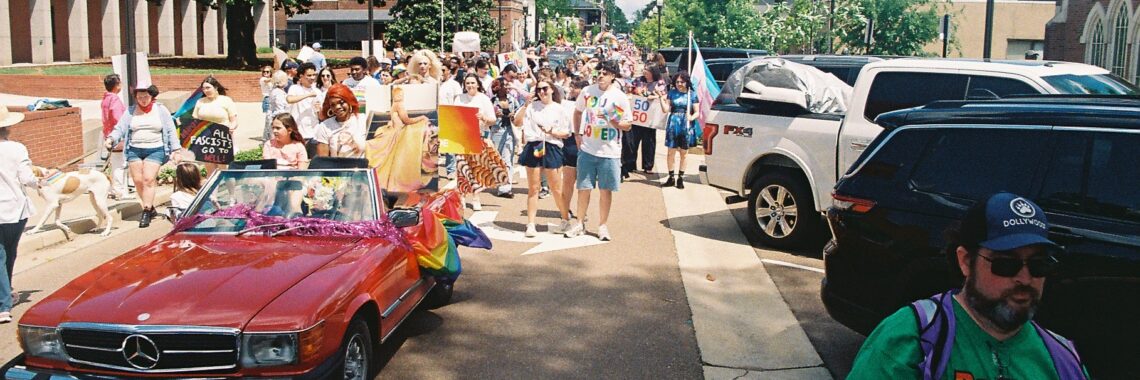
Oxford MS Pride parade. Photo by Author. On the evening of her birthday in July 2022, Stephanie Lee called the Oxford, Mississippi Police Department to request a wellness check. Her child, Jimmie “Jay” Lee, a 20-year-old public policy student at the University of Mississippi, had not called that morning as he always did. Jay was

“Violence, Vulnerability, and Religious Leadership: Rethinking Security Policies in Latin America” by Teresa Flores

Tara Cathedral and the Tara salt flats, Atacama Desert, Chile by Diego Delso via Wikimedia Commons (CC BY-SA 4.0). The following essay is reprinted and adapted on Canopy Forum in collaboration with the journal Derecho en Sociedad, a biannual electronic publication that is free and open access. Their issue 20(1) features full length articles in Spanish and English. Read Flores’ long-form

“Why Religious Freedom Matters: Human Rights and Human Flourishing” by Allen D. Hertzke

Why Religious Freedom Matters: Human Rights and Human FlourishingAllen D. Hertzke The following is an excerpt from Allen D. Hertzke’s upcoming book, Why Religious Freedom Matters: Human Rights and Human Flourishing (April 2026). Reprinted here with permission from University of Norte Dame Press. Imagine a social force, a potent “X Factor,” that underpins democracy, bolsters civil

“Defending the Johnson Amendment as a Critical Tool to Preserve Democracy and Religious Freedom” by Rebecca S. Markert

Internal Revenue Service Building in Maryland from the Carol M. Highsmith Archive. This article is part of our series on Law, Religion, and The Johnson Amendment. If you’d like to explore other articles in this series, click here. On a Sunday morning in late October 2008, in Charlotte, North Carolina, Pastor Greg Moss of St. Paul Missionary Baptist