
The Governed Dance Floor: Religion, Law, and the Global Transformation of Rave Culture
Jo Chitlik & Derya Kokaragac
AI Image of a rave created by author.
From its emergence in the underground electronic dance scenes of the 1980’s and 1990’s, rave culture has occupied an uneasy space between liberation and disorder. Secret gatherings in abandoned warehouses, forests, beaches, and improvised pop-up spaces became associated with repetitive electronic rhythms, collective dancing, sensory immersion, and temporary escape from conventional social structures. In both Europe and the United States, raves developed reputations as spaces of youth rebellion, experimentation, and emotional release, while simultaneously provoking public anxiety surrounding drug use, sexuality, public safety, and moral regulation.
In the United States, the exchange of kandi, colorful beaded bracelets carrying messages or charms became a defining ritual of the experience. Legendary New York DJ Frankie Bones coined the term “PLUR” (Peace, Love, Unity, Respect) which evolved into a foundational ethos of rave culture. The yellow smiley face, first printed on a flyer for DJ Danny Rampling’s London club in January 1988, became the unofficial emblem of acid house, a symbol of collective euphoria that spread from club flyers to T-shirts, whistles, and shoelaces across the country.
Likewise, the “Second Summer of Love” of 1988-1989 drew thousands to unlicensed acid house gatherings along the M25 motorway, ultimately contributing to the enactment of the Criminal Justice and Public Order Act of 1994, British legislation specifically designed to suppress unauthorized rave assemblies. In Germany, the Love Parade, evolved from a small political demonstration in Berlin into one of the world’s largest techno festivals before ending in tragedy in Duisburg in 2010 after a fatal crowd crush killed twenty-one attendees and injured hundreds more. Across jurisdictions, rave culture repeatedly became the subject of legal intervention, public controversy, and competing debates over morality, public order, and youth freedom.
Yet, contemporary rave culture no longer exists solely as an underground or oppositional phenomenon. Over the last decade, electronic dance music (EDM) culture has undergone a significant transformation shaped by digital platforms, religious institutions, commercialization, and systems of governance. Across societies as diverse as Portugal, Pakistan, India, Taiwan, South Korea and Saudi Arabia, religious organizations and state authorities are increasingly engaging with rave aesthetics not simply to suppress them, but to regulate, appropriate, and repurpose them. Churches host Christian EDM events and “holy raves”. Buddhist festivals incorporate immersive electronic music and visual spectacle into spiritual practice. Governments increasingly manage nightlife through licensing systems, surveillance structures, sobriety rules, gender regulation, and state-sponsored entertainment initiatives.
This transformation reflects a broader socio-legal shift. Rave culture, once associated primarily with transgression and resistance, is increasingly being institutionalized though overlapping systems of religious authority, legal governance, and moral regulation. Rather than existing outside systems of control, contemporary rave spaces frequently operate as negotiated cultural environments in which states, religious actors, commercial institutions, and youth participants collectively shape the boundaries of permissible expression.
This essay examines how religion and law are reshaping contemporary rave culture across different political and cultural contexts. Drawing examples from Christianity, Buddhism, Hindu devotional culture, Pakistan, and Saudi Arabia, it argues that modern rave culture has evolved into a contested but increasingly institutionalized space where spirituality, governance, youth identity, and collective emotional experience intersect. In doing so, the article explores a broader question central to law and religion scholarship: how systems of moral and legal authority adapt emerging forms of youth culture into socially manageable and culturally legitimate forms of participation.
The Global Shift
EDM culture is experiencing a global shift and increasingly gaining recognition for its ritualistic and spiritual dimensions. Raves rely upon repetitive rhythms, synchronized movement, sensory immersion, and collective emotional intensity. Participants frequently describe atmospheres of unity, transcendence, emotional release, and altered consciousness. These experiences closely resemble forms of collective ritual historically associated with religious practices. The rave environment itself reinforces this connection. Massive sound systems, coordinated lighting, visual projections, and repetitive beats create liminal spaces in which ordinary social structures temporarily dissolve. The dance floor becomes a site of collective embodiment where participants experience what sociologists describe as “collective effervescence”, the heightened emotional unity produced through communal ritual participation. Importantly, these experiences are no longer confined to secular nightlife. Religious institutions increasingly recognize the emotional and communal power of EDM environments and have begun appropriating rave aesthetics as tools of spiritual outreach, particularly among younger generations.
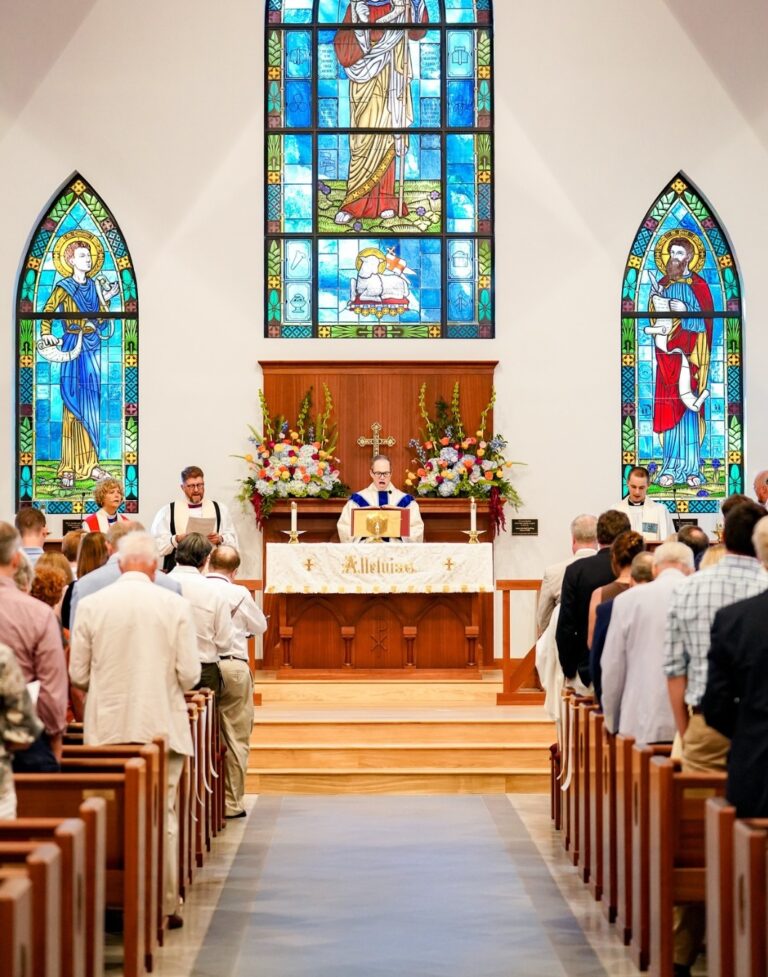
One example is Padre Guilherme Peixoto, the Portuguese Catholic priest widely known as the “DJ priest.” Peixoto alternates between performing Mass and DJ sets, using electronic music as a means of engaging younger audiences who increasingly exist outside traditional church structures. After performing during World Youth Day 2023 in Lisbon, he gained international attention for presenting techno music as a vehicle for evangelization, coexistence, and youth engagement. What initially began as a fundraising initiative for local churches has evolved into a broader global ministry built around EDM and rave aesthetics.
A similar dynamic appears in the United States through projects such as “Rave Jesus” created by DJ Topher Jones. Jones blends worship music into EDM performances intended to produce emotionally immersive spiritual experiences on the dance floor. Rather than framing rave culture as morally dangerous or inherently transgressive, these performances reinterpret bass-heavy electronic music as a legitimate environment for religious engagement and collective spirituality. Christian outreach through EDM reflects a broader institutional shift: rather than merely condemning youth nightlife, religious actors are increasingly seeking to occupy, reshape and morally reframe it.
Buddhism, Hinduism, and Devotional EDM
Eastern religious traditions have likewise adopted rave aesthetics in ways that increasingly blur distinctions between spirituality, ritual, and nightlife. Taiwan’s Awaken Festival has been described as the world’s first “Buddhist rave.” The event combines meditation, chanting, electronic music, and visual art within an immersive sensory environment designed to engage younger audiences. In doing so, the festival situates Buddhist teachings within contemporary youth culture, transforming the traditional music festival into a hybrid spiritual gathering.
A similar dynamic appears in South Korea through the performances of Yoon Seong-ho, widely known as DJ New Jeans Nim. Performing in Buddhist robes while remixing sutra recitations over EDM tracks at festival and public events, he seeks to make Buddhism more accessible and culturally relevant to younger generations who may perceive organized religion as rigid or inaccessible. His message is not one of overt conversion, but rather one of engagement: religion presented through rhythm, emotional participation, and collective experience.
These examples illustrate how rave aesthetics are increasingly being repurposed across religious traditions as mechanisms of outreach, emotional connection, and spiritual experience. Rhythm, trance, collective embodiment, and sensory immersion once associated primarily with underground nightlife are now mobilized within explicitly religious contexts. In this sense, devotional EDM reflects a broader global shift in which religious institutions increasingly adapt contemporary forms of youth culture to sustain relevance, visibility, and communal participation in rapidly changing social environments.
The Digital Rave and Religious Outreach
Contemporary rave culture also exists in digital form. Livestreamed DJ sets, TikTok devotional edits, YouTube meditation remixes, and online music communities have created transnational digital rave spaces operating outside traditional territorial regulation. Religious movements have increasingly adapted to these digital environments as mechanisms of outreach, visibility, and youth engagement. Padre Guilherme’s popularity, for example, expanded dramatically through Instagram, livestreamed performances, and online video circulation.
Bhajan clubbing, one of India’s fastest growing spiritual music movements, similarly demonstrates how devotional practices increasingly intersect with digital nightlife culture. Combining collective chanting, electronic music, and immersive social participation, the movement has gained substantial visibility through viral social media clips documenting synchronized dancing, music, and devotional celebration.
Digital platforms increasingly reshape the structure of religious authority itself. DJs, influencers, online creators, and virtual communities now mediate forms of spiritual experience that once existed primarily within formal institutional settings. Religious content circulates alongside entertainment, wellness, and lifestyle media, further blurring distinctions between devotion, performance, and digital culture. This development is analytically significant because it demonstrates that while religious and legal governance often remains territorially bounded, rave culture itself is increasingly global, decentralized, and platform based. Online space allows spiritual and musical practices to circulate beyond the immediate reach of local religious authorities or state regulation, creating new forms of transnational participation that challenge traditional boundaries religion, entertainment, and governance.
Pakistan and the Rise of Sober Raves
Nowhere is the adaption of rave culture to religious and legal constraints more visible than in Pakistan. Islamic norms surrounding alcohol, modesty and public morality significantly shape nightlife practices and systems of social regulation. Laws as Section 294 of the Pakistani Penal Code prohibit “obscene acts” and public indecency. Yet these restrictions have not eliminated youth nightlife. Instead, they have contributed to the emergence of new forms of sober rave culture designed to remain socially acceptable and legally compliant.
In Karachi, organizers increasingly host alcohol-free music events in cafes, sports clubs, co-working spaces, and private venues. These gatherings often feature neon lighting, DJ’s, dancing, and electronic music, while explicitly prohibiting alcohol and recreational drugs. Events frequently end early and are closely monitored to maintain social decorum, legal compliance, and participant security. Organizers market these spaces as safe and inclusive alternatives to underground nightlife. Participants frequently describe them as opportunities to socialize openly without fear of police raids, intoxication, or moral stigma. Importantly, these events are not meant to reject Islam; rather they attempt by younger generations to negotiate modern forms of social participation within the moral and legal constraints of a religious society.
Islamic jurisprudence itself provides a degree of doctrinal flexibility. While certain schools prohibit instrumental music altogether, others distinguish between permissible and impermissible forms based on context, lyrical content, and moral environment. Some Sufi traditions have historically embraced rhythmic music and dance as forms of spiritual practice and devotional expression. These internal theological debates create space for sober, music-centered gatherings that avoid intoxication and explicit obscenity while remaining culturally recognizable as forms of nightlife. The result is a reconfigured rave culture that preserves collective dancing,immersive music, and communal participation while adapting to Islamic moral expectations.
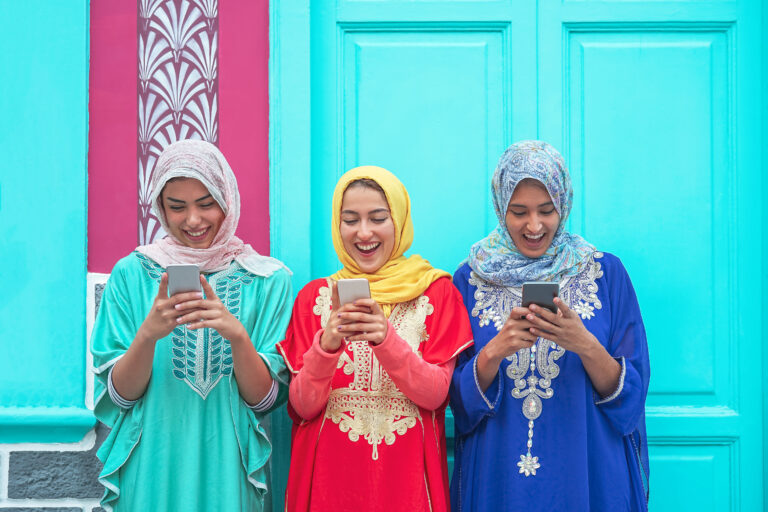
Women-only events have also become increasingly common because they allow female participants to dance and socialize without navigating surveillance, stigma, or harassment often associated with mixed-gender nightlife. Yet these segregated spaces simultaneously reinforce broader systems of gender regulation and social control. LGBTQ participation likewise remains largely excluded from officially tolerated nightlife environments altogether.As such, Pakistan’s sober rave culture reflects neither total repression nor unrestricted freedom. Rather it represents a negotiated form of youth culture operating within overlapping systems of religious authority, legal governance, and social regulation.
Saudi Arabia and State-Managed Nightlife
Saudi Arabia represents a markedly different model of nightlife transformation. Whereas Pakistan’s sober rave scene has emerged through decentralized social negotiation with Islamic moral norms, Saudi Arabia’s evolving entertainment culture has been engineered largely from the top down through Crown Prince Mohammed bin Salman’s Vision 2030 reforms. For decades, concerts, cinemas, and mixed-gender entertainment remained heavily restricted under the Kingdom’s conservative religious framework. Beginning in 2017, however, the Saudi state introduced large-scale entertainment reforms through institutions such as the General Entertainment Authority (GEA). Large festivals, EDM concerts, and entertainment spectacles now occur openly under extensive state supervision and regulation.
Initially, conservative clerics and religious authorities opposed many of these reforms, warning that concerts, cinemas, and public entertainment would contribute to moral decline and social corruption. Nevertheless, the Saudi government gradually contained and negotiated clerical resistance in pursuit of broader modernization objectives, including tourism development, economic diversification, and international image-building. Saudi Arabia therefore represents a model of controlled liberalization in which entertainment is permitted not as a form of autonomous cultural freedom, but as a carefully managed state project aligned with political and economic priorities. Unlike underground rave culture, Saudi festivals are not spaces of independent resistance or countercultural expression. Rather, they function as licensed spectacles integrated into a broader national development agenda. Participants may experience these environments as comparatively liberating relative to previous restrictions; however, the boundaries of acceptable participation remain defined and regulated by the state itself. In this sense, Saudi Arabia illustrates how nightlife and youth culture can be selectively expanded while remaining firmly embedded within systems of centralized political authority and moral governance.
Rave Culture and Human Rights
From a human rights perspective, these developments reveal ongoing tensions between cultural freedom, collective expression and systems of moral governance. International legal instruments such as the International Covenant on Civil and Political Rights (ICCPR) protect freedom of expression, religion, assembly, and participation in cultural life. UNESCO similarly recognizes cultural participation as an important dimension of human dignity and social inclusion. Yet in practice, music, nightlife, collective dance, and forms of youth expression remain heavily regulated in many societies through overlapping legal, religious, and social frameworks.
In both Pakistan and Saudi Arabia, youth self-expression through rave culture is permitted only conditionally. Participation must conform to systems of moral oversight involving sobriety requirements, gender regulation, surveillance, licensed structures and broader expectations of social decorum. Gender remains central to these systems of regulation. Women’s participation in nightlife often requires segregation, monitoring, or institutional approval, while LGBTQ participation frequently remains marginalized or criminalized altogether. Even within comparatively liberal entertainment environments, conservative cultural norms often continue to shape acceptable forms of social interaction and public behavior.
At the same time, this phenomenon is not limited to religious societies. Even relatively open rave scenes remain influenced by policing, commercialization, surveillance practices, and forms of economic exclusion. While these regulatory mechanisms may differ from explicitly religious systems of governance, cultural participation is rarely autonomous. Public authorities, venue operators, private security systems, commercial interests, and social expectations all contribute to defining the boundaries of acceptable participation. Contemporary youth culture also operates within increasingly complex environments shaped by digital exposure, commercialization, crowd-security concerns, and evolving forms of social vulnerability. Governments, communities, and institutions frequently justify systems of regulation as necessary mechanisms for public safety, youth protection, and social stability. Consequently, the modern concept of raves functions less as a space outside governance and more as a site where governance itself is negotiated and institutionalized. Music, rhythm, and collective emotional expression may be tolerated or encouraged, but they are often redirected through systems of surveillance, regulation, licensing, and moral oversight that reinforce broader structures of authority.
Security, Protection and Social Responsibility
At the center of rave culture lies the enduring question of security and the broader obligation society bears to protect its younger generations, at times even from the consequences of inexperience and vulnerability. This concern reflects the longstanding assumption that age and institutional experience carry responsibilities of guidance, supervision, and collective care. The rave environment, often characterized by anonymity, altered states of consciousness, overcrowding, sensory intensity, and limited supervision, has historically intensified public anxieties surrounding physical safety, drug use, sexual vulnerability, and emergency preparedness. As rave culture expanded globally, parents, communities, religious institutions, venue operators and governments increasingly sought to regulate these spaces in ways that preserve youth safety without entirely extinguishing the freedom, emotional release, and forms of collective expression that made rave culture attractive in the first place. In this sense, the regulation of rave culture reflects more than moral panic alone; it also reflects broader social efforts to balance youthful autonomy with public safety, collective responsibility, and institutional accountability.
This tension remains central to contemporary debates surrounding nightlife governance. Systems involving crowd-control measures, security screening, licensing requirements, sobriety regulations, surveillance, and emergency planning are frequently justified as mechanisms of protection rather than solely instruments of restriction. At the same time, these protective frameworks inevitably shape the boundaries of permissible participation and acceptable forms of social behavior. The modern rave therefore exists not entirely outside structures of authority, but increasingly within negotiated systems of regulation that seek to reconcile freedom, security, collective enjoyment, and social responsibility.
Conclusion
Rave culture demonstrates remarkable capacity to adapt across religious, political, technological, and social environments. Rather than disappearing under systems of regulation, it continuously evolves within them. The very characteristics that define rave culture, collective rhythm, immersive sound, emotional intensity, and communal participation, also make it susceptible to institutional appropriation, regulation, and reinterpretation. Religious organizations increasingly use EDM aesthetics for evangelization, spiritual outreach, and youth engagement, while governments integrate nightlife and festival culture into broader projects of modernization, tourism, economic development, and moral governance. Simultaneously, wellness movements and sober rave initiatives have transformed aspects of nightlife into more regulated forms of social participation centered on safety, inclusion, and emotional experience and controlled environments.
As a result, contemporary rave culture no longer exists solely as a symbol of underground rebellion or countercultural resistance. Instead, it functions as a negotiated cultural field shaped by youth identity, religion, law, commerce, digital media, and systems of social regulation. In Pakistan, rave culture survives through sobriety, self-regulation, and negotiation with Islamic moral expectations. In Saudi Arabia, it exists as a state-managed entertainment model aligned with political and economic reform. Across Christian, Buddhist, and Hindu contexts, rave aesthetics have been repurposed as vehicles for spirituality, collective belonging, and religious participation.
At the same time, the continued regulation of rave spaces reveals a broader societal concern surrounding youth vulnerability, public morality, collective security and institutional responsibility. The modern rave is therefore no longer simply a space imagined outside governance, but increasingly a site where governance itself becomes visible through systems of licensing, surveillance, moral oversight, commercial management, and institutional guidance. Ultimately, the contemporary dance floor has evolved into more than a place of leisure, escape, or rebellion. It has become a contested socio-cultural arena where spirituality, governance, commerce, morality, law, and youth identity continuously intersect and negotiate with one another. The global transformation of rave culture demonstrates not merely the survival of youth subculture under systems of authority, but the increasing ability of religious institutions, states, and digital platforms to absorb, reshape and institutionalize forms of collective emotional experience that once existed at the margins of social order. ♦

Jo Chitlik is a U.S. Department of State Fulbright Specialist, a Senior Fellow at Emory University’s Center for the Study of Law and Religion, and Visiting Scholar at Fatima Jinnah Women’s University (FJWU) in Rawalpindi, Pakistan. Through their affiliate GlobalLearningOnline.com, Chitlik and her Emory alumni team created Pakistan’s ADR Pilot Program taught at FJWU.

Derya Kokaragac is a Turkish Attorney who received her Law Degree from Süleyman Demirel University and her International Relations Degree from Anadolu University. She was formerly employed at the Turkish Personal Data Protection Authority.

Alishba Mohsin is a Pakistani Junior Research Assistant (JRA), who aided the author in collecting the research for this piece. Alishba is a rising female attorney and is part of a new pilot program in Pakistan. This program will recruit 4th and 5th-year law students and train them in legal research and analysis, addressing a significant void for law students in Pakistan, particularly those from remote areas.
Recommended Citation
Chitlik, Jo & Kokaragac, Derya. “The Governed Dance Floor: Religion, Law, and the Global Transformation of Rave Culture.” Canopy Forum, June 11, 2026. https://canopyforum.org/2026/06/11/the-governed-dance-floor-religion-law-and-the-global-transformation-of-rave-culture/.
Recent Posts