“Normative Development of Religious Freedom in Latin America: Counter-Transfer of Religious Policies” by Camila A. Sánchez Sandoval

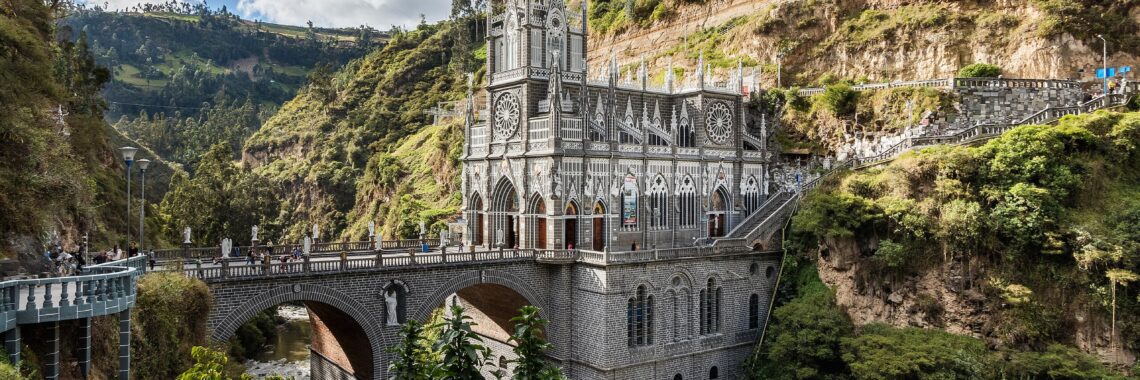
Santuario de Las Lajas, Ipiales, Colombia by Diego Delso (CC BY-SA 4.0) The following essay is reprinted and adapted on Canopy Forum in collaboration with the journal Derecho en Sociedad, a biannual electronic publication that is free and open access. Their issue 18(2) features full length articles in Spanish and English. Read Sandoval’s long-form essay on Religious Freedom in

“Cuba: A Legal Framework that Restricts the Right to Religious Freedom” by Teresa I. Flores

Image of Palacio del Centro Asturiano, Havana, Cuba by Carol M. Highsmith (CC0) The following essay is reprinted and adapted on Canopy Forum in collaboration with the journal Derecho en Sociedad, a biannual electronic publication that is free and open access. Their issue 18(2) features full length articles in Spanish and English. Read Flores’ long-form essay on the Cuban

“The Violent Incidents Database: A Social Innovation for Religious Freedom” by Dennis P. Petri and Kyle Wisdom

Casa de la Libertad (Freedom House) in Sucre, Bolivia by Dan Lundberg (CC BY-SA 2.0). The Growing Sophistication of Religious Freedom Monitoring When considering research and political attention for religious freedom, we have really come a long way. For a long time, secularization theory was dominant in social sciences. Back in the nineteenth century, German

“From the Pope’s Hand to Indigenous Lands Alexander VI in Spanish Imperialism” by Matthew P. Cavedon

“From the Pope’s Hand to Indigenous Lands: Alexander VI in Spanish Imperialism”Matthew P. Cavedon The following is an introduction followed by an adapted excerpt from Matt Cavedon’s new book, “From the Pope’s Hand to Indigenous Lands.” With permission from Brill Academic Publishers, 2023. In 1493, shortly after Christopher Columbus returned from his first voyage to

“Under the Protection of God: Does the Preamble of the Brazilian Constitution of 1988 Allow Freedom of Expression solely for Christians?” by Damião Benilson Gomes de Melo, Rafaela Albuquerque Fires & J. Ernesto Pimentel Filho

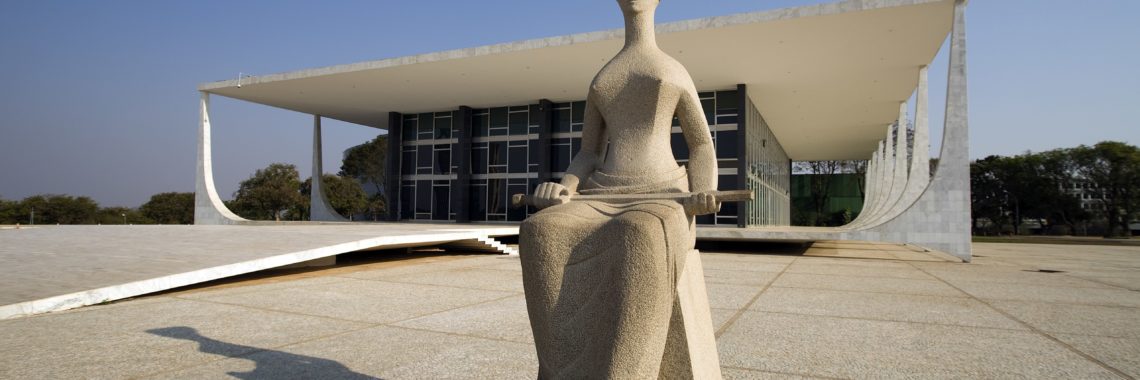
Picture of the Supremo Tribunal Federal in Brazil by Dennis W. Asfour (CC BY-SA 4.0). In Brazil, the constitutional preamble of the 1988 Federal Constitution contains the expression “under the protection of God,” which has sparked debates for many years regarding its legally binding relevance. A landmark decision (the ADI 2076) even addressed whether the

“Religious Regulation and Discrimination in Venezuela” by Dennis Petri

Religion in Isla Margarita, Valle del Espíritu Santo by Wilfredor (CC0 1.0). This essay seeks to illustrate the state of religious freedom in Venezuela by analyzing the factors that affect its free exercise. First, it describes the presence of religious communities in the country and their relationship with the government. Second, it reviews the regulatory

“Climates of Anti-Blackness: Religion, Race and Environmental Politics in Bolivia” by Mareike Winchell

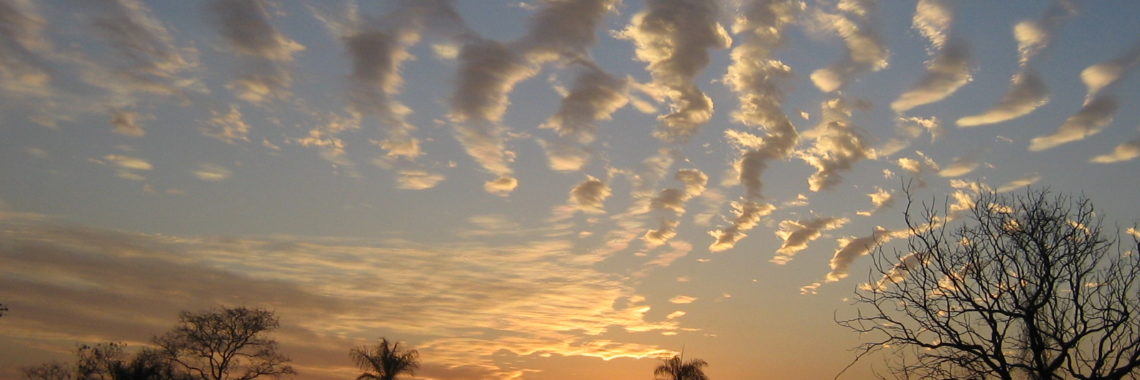
The sunset in Santa Ana de Chiquitos, Santa Cruz, Bolivia, by Osireg. (CC BY-SA 2.0). It was sweltering — nearly 90 degrees. The thatched roof of the community building provided limited relief. We pulled up chairs diagonally, maneuvering to miss the sun’s imposing rays. These thatched buildings have emerged as sites of interest in media

“Nicaragua and the Catholic Church” by Michael Hendricks

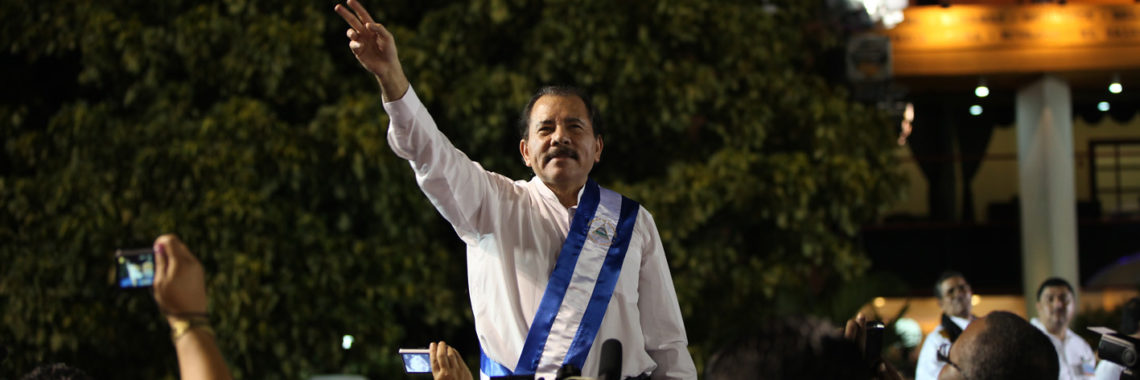
“Posesión de Daniel Ortega como presidente de Nicaragua” by Cancillería del Ecuador, 2012. (CC BY-SA 2.0). In recent years, Nicaraguan President Daniel Ortega has been accused of authoritarianism, repression, and human rights abuses. His government has also targeted the Catholic Church, which has historically been an important institution in Nicaragua and a source of opposition

“Politics and Religion in Cuba and Nicaragua” by Dennis P. Petri

“Cristo Church, Havana, Cuba” by Roberts & Co., Havana (CC0). The Regulation of Religion in Communist Cuba Religious groups have been viewed with suspicion by the Cuban government for a long time, as they are seen as potential threats to the socialist state. This distrust has led to subtle forms of repression, such as surveillance

“Politics vs. Religion?: The Case of Nicaragua” by Teresa Flores

Managua Nicaragua Centroamérica by Hillsong7 (CC BY-SA 4.0). During crises or social conflicts in Nicaragua, the Catholic Church has served as a mediator and promoter of justice and peace. In countries with an authoritarian tendency such as Nicaragua, the Church’s support and guidance has been perceived as a threat to the government’s stability. In that